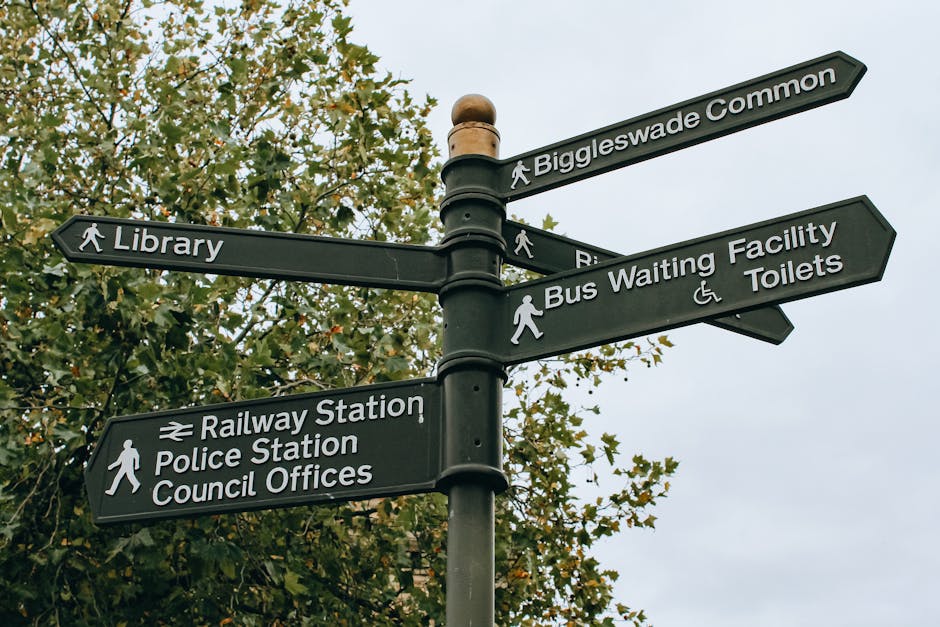
Acton Town Station guide to household rubbish removal
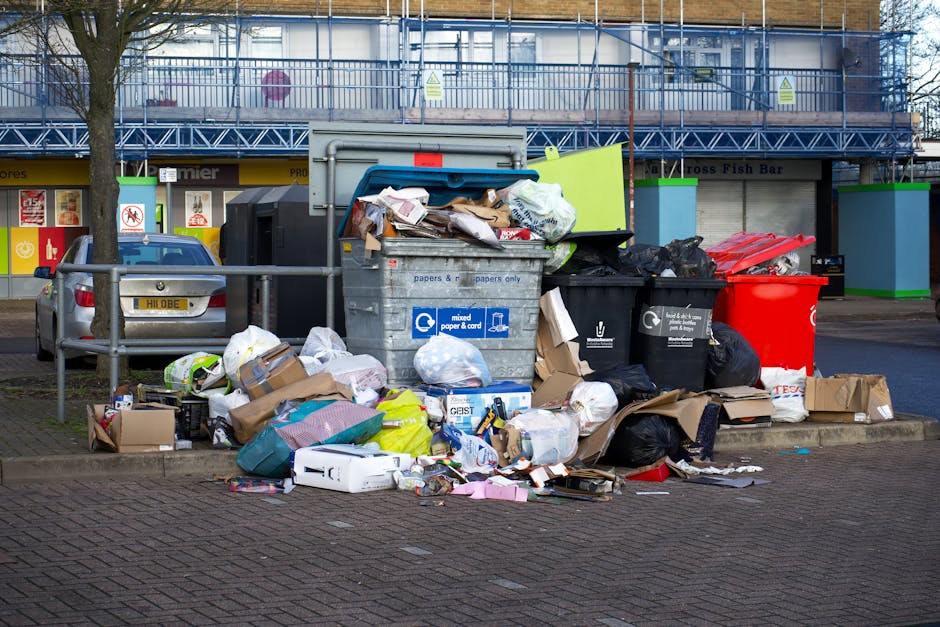
If you live near Acton Town Station and you are staring at a growing pile of broken furniture, old boxes, bagged clutter, or a loft full of "I'll deal with that later" stuff, you are not alone. Household rubbish removal can feel simple at first, then suddenly become a bit of a logistical puzzle. Which items can go where? Do you need a skip, a van, or a same-day collection? And how do you avoid paying for more than you actually need?
This Acton Town Station guide to household rubbish removal walks you through the practical options, the usual mistakes, and the smartest ways to clear domestic waste without turning your week upside down. It is written for real-life situations - a kitchen refresh, a garden clear-out, a tenant move, a post-renovation mess - with straightforward advice you can use straight away.
- Why household rubbish removal matters near Acton Town Station
- How the process works
- Key benefits and practical advantages
- Who needs this and when it makes sense
- Step-by-step guidance
- Expert tips for better results
- Common mistakes to avoid
- Tools, resources and recommendations
- Law, compliance, standards, or best practice
- Options, methods, or comparison table
- Case study or real-world example
- Practical checklist
- Conclusion
- Frequently asked questions
Why Acton Town Station guide to household rubbish removal Matters
Household rubbish removal sounds like a basic task, but near Acton Town Station it often sits at the intersection of limited space, busy streets, shared access, parking pressures, and the general reality of London living. In a flat, a maisonette, or a terraced house with no easy rear access, waste builds up quickly and can become awkward fast.
Why does that matter? Because rubbish left too long tends to spread. One bag becomes three. One broken chair becomes a corner of the hallway. A half-dismantled wardrobe somehow becomes a weekend plan. Not ideal, to be fair.
Good rubbish removal is not just about making things look tidy. It helps you:
- clear safe walking routes inside the home
- free up storage and working space
- prepare for moving day, decorating, or a repair job
- avoid fly-tipping risks and accidental misuse of public space
- sort recyclable and non-recyclable items more responsibly
It also helps you choose the right service instead of guessing. That matters because the wrong choice can cost time, money, and a fair bit of patience. If you are not sure what type of collection fits your load, it is often worth reviewing a broader rubbish removal service alongside the domestic options available through domestic skip hire.
How Acton Town Station guide to household rubbish removal Works
At a practical level, household rubbish removal is about moving domestic waste from your property to the right disposal or recycling route. The exact method depends on volume, weight, access, item type, and how quickly you need it gone.
Most household clearances around Acton Town Station fall into one of these patterns:
- Bagged rubbish collection: suited to mixed household waste, black bags, and small loose items.
- Man and van clearance: useful when you have bulky items, awkward access, or a medium load that needs loading for you.
- Skip hire: a good fit for ongoing clear-outs, renovation waste, or larger domestic jobs.
- Wait-and-load: handy when there is no space to leave a skip and you want quick turnaround.
- Specialist item removal: for appliances, mattresses, sofas, or other items that need separate handling.
The process usually starts with a quick assessment of what you have. A clear, honest description helps more than you might expect. "A few bags" and "two rooms of loft clutter" are very different jobs. So are a couple of shelves and a full garage packed to the ceiling. The more precise you are, the easier it is to match the right method.
If you are weighing up disposal methods, it helps to check practical guidance like what can go in a skip and compare it against the type of waste you actually have. That simple step can save a lot of back-and-forth later.
In many domestic jobs, you will also need to think about access. Narrow streets, permit constraints, basement entrances, or no-parking areas can make a difference. If the item is large but the load is relatively light, options such as wait and load skip hire or man and van collection can be more practical than leaving a container on the road.
Key Benefits and Practical Advantages
The main benefit is obvious: your space gets cleared. But the real value often sits in the details. A good household rubbish removal plan reduces hassle, improves safety, and gives you a cleaner start for whatever is next.
Here are the advantages people usually notice first:
- Speed: useful when a room, hallway, or garden needs clearing quickly.
- Convenience: you do not have to keep loading your own car or making repeated trips.
- Less disruption: especially important in busy homes, shared entrances, or managed properties.
- Better sorting: recyclable items can be separated more thoughtfully.
- Safer handling: heavy or awkward items are less likely to cause damage or injury.
There is also a less obvious benefit: decision clarity. Once the waste is assessed properly, you stop guessing. You know whether you need a quick domestic collection, a larger skip, or perhaps a service for bulky furniture such as mattress and sofa disposal. That kind of clarity is worth a lot when a deadline is looming.
For bigger home projects, domestic rubbish removal can work alongside related services such as house clearance, garage and loft clearance, or even garden waste removal if the job spills outdoors. The right combination can make a messy day feel surprisingly manageable.
Who This Is For and When It Makes Sense
This guide is for anyone near Acton Town Station who needs domestic waste removed without overcomplicating the job. That could be a homeowner, tenant, landlord, letting agent, or family member helping sort a property after a move. It could also be someone who just wants the clutter gone before it starts feeling permanent. We have all had that room.
Household rubbish removal makes sense when you are dealing with:
- bagged general waste after a declutter
- bulky furniture that will not fit in a car
- broken household items and non-hazardous junk
- old white goods that need specialist handling
- post-renovation debris from a kitchen, bathroom, or flooring job
- loft, shed, and garage clear-outs
It is especially useful when the property has awkward access, because not every home is set up for a straightforward self-load. Basement flats, top-floor conversions, and properties with limited parking all tend to create little headaches. Nothing impossible, just fiddly.
If your project has a mix of domestic waste and renovation debris, you may want to compare residential clearing with builders skip hire or broader builders waste removal. That is usually where the smart decision starts - not with the biggest option, but with the most suitable one.
Step-by-Step Guidance
Here is a simple way to approach household rubbish removal without getting bogged down in details.
- Identify the waste type. Separate general household rubbish, reusable items, bulky furniture, recyclables, and anything that may need special handling.
- Estimate the volume. A few bin bags is very different from a roomful of contents. If you can, group items into piles before booking.
- Check access. Think about stairs, narrow hallways, parking, lifts, and whether a container can be placed safely.
- Decide on the removal method. Skip hire, van collection, wait-and-load, or a specialist service all suit different situations.
- Set aside restricted items. Keep hazardous materials separate. Do not mix them in with ordinary waste.
- Prepare the load. Bag loose rubbish, flatten cardboard, dismantle if practical, and protect floors or door frames if needed.
- Book the collection or delivery. Choose a time that fits your neighbours, building rules, and your own schedule.
- Load safely and check the final mix. Make sure prohibited or awkward items have not slipped into the pile at the last minute.
If you are using a skip, it is worth checking size and load guidance early. The right size matters more than people think. Too small, and you are stuck. Too large, and you may pay for space you never use. A page like skip sizes and prices can help you think through the options before booking.
For tight schedules, same day skip hire may be useful, while a more flexible pickup plan may suit a staged clear-out. Truth be told, the best method is often the one that reduces friction rather than trying to be clever.
Expert Tips for Better Results
Over time, the easiest household rubbish jobs tend to be the ones that are prepared properly. That sounds obvious, but it saves a lot of grief.
- Sort before booking. Separate furniture, recyclables, general waste, and anything questionable.
- Measure large items. A sofa that looks manageable in a room can become a problem at the stair turn.
- Photograph the load. A couple of clear photos can be more useful than a long explanation.
- Think about timing. Midweek collections can be calmer if your street gets busy at weekends.
- Keep access clear. Shoes, bikes, prams, and the usual household clutter do get in the way.
- Plan for the odd item. Fridges, mattresses, and appliances often need separate handling.
If you are dealing with electricals or larger appliances, specialist collection is usually better than guessing. The same goes for mixed loads. A simple household clear-out can suddenly turn into a "while we are at it" situation. And yes, that is how hallways become storage units.
One practical move is to review specialist pages before you book. For example, fridge and appliance removal is relevant if you are replacing kitchen equipment, while recycling and sustainability gives a better sense of how responsible disposal is approached. That little bit of checking helps you make cleaner, smarter choices.
Common Mistakes to Avoid
Most problems with rubbish removal are not dramatic. They are small mistakes that snowball. The good news is they are easy enough to avoid once you know what to look for.
- Underestimating volume. A loft or garage can hide a surprising amount of waste.
- Mixing prohibited items into a general load. That can create delays and extra handling.
- Ignoring access issues. A collection that looks simple on paper can be awkward in reality.
- Not checking what the service includes. Loading, collection, waste type, and timing all matter.
- Leaving rubbish until the last minute. That usually means more stress and fewer good options.
- Forgetting bulky item rules. Sofas and mattresses often need specific disposal routes.
There is one more common slip: choosing the fastest option without checking whether it suits the waste. Fast is great. Fast and wrong, not so great. If you are unsure, a quick review of skip hire alongside rubbish removal will usually make the choice clearer.
Another trap is treating hazardous items like normal rubbish. Paints, chemicals, batteries, and similar materials may need a different route. When in doubt, keep them out of the main pile and ask for guidance. Better safe than sorry, honestly.
Tools, Resources and Recommendations
You do not need much in the way of equipment, but a few simple tools make the job smoother:
- strong refuse sacks for loose household waste
- gloves for handling rough or dusty items
- tape and marker pens for labelling bags or boxes
- a tape measure for large furniture and access points
- dust sheets or cardboard to protect flooring during move-out
- a phone camera for documenting the load before booking
For planning, the most useful resources are usually the service pages that explain scope and limitations in plain English. Start with what can go in a skip if you are not sure what can be mixed together. If access is tight or you need the vehicle to wait while you load, wait and load skip hire can be a very practical choice.
For larger domestic projects, you may also find related pages helpful, depending on what is being cleared:
- garage and loft clearance
- house clearance
- enclosed and lockable skip hire
- payment and security
That last one is easy to overlook, but it matters. A smooth booking process is usually a sign that the rest of the service has been thought through properly.
Law, Compliance, Standards, or Best Practice
Household rubbish removal sits inside a wider set of UK waste-handling expectations, and the safest approach is to follow accepted best practice carefully. You do not need to become a waste expert, but a few principles are worth knowing.
First, waste should go to a legitimate disposal or recycling route. If a service looks too vague about where material ends up, that is a fair reason to pause. Responsible operators should be able to explain their process in simple terms.
Second, certain items need extra care. Fridges, appliances, sharps, chemicals, paints, batteries, and some electricals are not ordinary mixed waste. In practical terms, keep them separate and ask how they should be handled. If you are dealing with sensitive paperwork during a clear-out, confidential shredding is a better match than placing documents in a general rubbish load.
Third, if you place a skip on a public road, a permit may be needed depending on the location and circumstances. That is why it is worth understanding skip permits and related guidance before you commit. It is one of those annoying but important details that can save an avoidable problem later.
Finally, safety matters. Heavy lifting, sharp edges, dust, damp waste, and narrow stairwells can all create risk. Good practice is simple: wear suitable footwear, do not overload bags, and do not try to be heroic with items that need two people. No prize for that.
Options, Methods, or Comparison Table
Different household waste situations call for different removal methods. The table below gives a quick, plain-English comparison.
| Method | Best for | Advantages | Watch-outs |
|---|---|---|---|
| Rubbish removal | Mixed domestic waste, bagged items, smaller clear-outs | Flexible, straightforward, minimal DIY | Can be less efficient for very large volumes |
| Man and van | Bulky items, awkward access, medium loads | Useful where loading help is needed | May not suit ongoing, high-volume waste |
| Skip hire | Renovations, room clear-outs, staged loading | Handy for bigger jobs and repeated disposal over time | May need space or a permit, depending on placement |
| Wait and load | No space for a skip, quick loading jobs | Fast and neat if access is tight | Needs you to be ready when the vehicle arrives |
| Specialist item removal | Mattresses, sofas, appliances | Proper handling for awkward household items | May need separate booking for some loads |
As a rule of thumb, choose the method that fits the waste you actually have today, not the waste you hope you will not create next week. That sounds obvious, but people do it all the time.
Case Study or Real-World Example
Picture a typical near-station clear-out. A couple living in a first-floor flat by Acton Town Station decides to clear a spare room before turning it into a nursery. There are four black sacks, a broken bedside cabinet, an old mattress, two bags of mixed paper, and a wardrobe that has to come apart before it will fit down the stairs.
At first glance, it feels like a small job. Then the wardrobe dust appears, the hallway gets tight, and someone realises the mattress will not fit around the landing turn without a bit of planning. Very ordinary, very real.
In that kind of scenario, the smartest solution is usually a blend of good preparation and the right removal route. The couple could:
- bag the loose household waste in advance
- separate the mattress for specialist disposal
- break down the wardrobe safely
- choose a collection method that handles bulky items and loading help
If they also had a few renovation offcuts from decorating, they might compare that with construction waste disposal or construction waste clearance. The point is not to overcomplicate the job. It is to match the method to the load so the day stays calm, not chaotic.
And that calm matters. When household rubbish finally leaves, the room tends to feel bigger, lighter, even quieter somehow. People notice that straight away.
Practical Checklist
Use this simple checklist before you book household rubbish removal near Acton Town Station.
- Have I sorted waste into general, bulky, recyclable, and restricted items?
- Do I know roughly how much I need removed?
- Have I checked access, parking, and stairway constraints?
- Do I need a skip, a van collection, or a same-day service?
- Have I separated mattresses, appliances, and anything potentially hazardous?
- Is there enough room to load safely without blocking the home?
- Have I considered whether a permit might be needed?
- Have I reviewed service details and payment expectations?
- Am I ready on the day, with waste grouped and accessible?
- Have I checked whether any items should go through specialist disposal?
A little prep goes a long way. It really does. Five minutes now can save an hour later.
Get a free quote today and see how much you can save.
Conclusion
Household rubbish removal near Acton Town Station does not need to be stressful, even when the pile looks awkward at first glance. The key is to identify the waste properly, choose the right removal method, and avoid the common mistakes that make simple jobs drag on.
If you remember just one thing, make it this: the best service is the one that fits your waste, your access, and your timeline. Not the fanciest option, not the biggest option - the right one. That is what keeps the day moving.
Whether you are clearing a flat, sorting a loft, replacing old furniture, or making room before a move, a thoughtful approach will save time and reduce hassle. And once the clutter is gone, the home usually feels a lot more like itself again. That is a good feeling, honestly.
Frequently Asked Questions
What is the easiest way to remove household rubbish near Acton Town Station?
For many people, the easiest approach is a rubbish removal or man-and-van service because it reduces loading effort and suits mixed domestic waste. If the job is larger, skip hire may be more practical.
Do I need a skip for a small household clear-out?
Not always. A small clear-out with a few bags or one or two bulky items may be better handled by rubbish removal or wait-and-load. A skip becomes more useful when the volume is larger or the job will take time.
Can I put furniture in household rubbish removal?
Yes, bulky furniture is commonly included, provided the service accepts it and the items are not restricted. Sofas, chairs, tables, and wardrobes are typical examples, though some items may need specialist handling.
What should I do with a mattress or sofa?
It is usually best to use a specialist disposal service for those items rather than assuming they can go with ordinary waste. Pages like mattress and sofa disposal are designed for exactly that kind of item.
Is same-day collection possible?
Sometimes, yes. It depends on availability, the size of the load, and access. If speed matters, same-day skip hire or fast rubbish removal can be worth asking about early.
What items should I keep separate from the main load?
Keep hazardous materials, confidential paperwork, and certain electrical or appliance items separate. If you are unsure, set them aside and ask for advice before mixing them into general household rubbish.
Do I need a permit for a skip near my property?
If the skip is placed on a public road or in certain shared spaces, a permit may be required. The need depends on the location and the placement, so it is sensible to check before booking.
How do I know whether rubbish removal or skip hire is better?
If you want everything loaded for you and the waste is mixed or bulky, rubbish removal is often easier. If you are clearing over several days or have a larger volume, skip hire can be the better fit.
Can household rubbish removal help with loft or garage clutter?
Yes. In fact, that is one of the most common uses. Loft and garage jobs often involve mixed waste, old boxes, broken items, and furniture, which makes a clear-out service very practical.
What happens to the rubbish after collection?
Collected waste should be taken to an appropriate disposal or recycling route. Responsible handling means sorting where possible and avoiding unnecessary landfill use. If sustainability matters to you, look at recycling and sustainability information before you book.
Will I need to do any lifting myself?
That depends on the service. Some options are designed to do the lifting for you, while others expect you to load the waste. If lifting is a concern, choose a service that clearly includes loading support.
What if my access is very tight?
Tight access is not unusual around London homes. In those cases, wait-and-load, man-and-van, or a carefully planned same-day collection may be better than leaving a skip in place.
How can I avoid paying for the wrong option?
Be precise about what you have, how much of it there is, and where it is located. A few photos and a honest description usually lead to better guidance than a rough guess. That small bit of effort pays off.
Who should I contact if I have questions before booking?
If you need clarity on items, access, or booking details, use the relevant site information and support pages to check what is included. A little pre-booking checking saves a lot of hassle later.