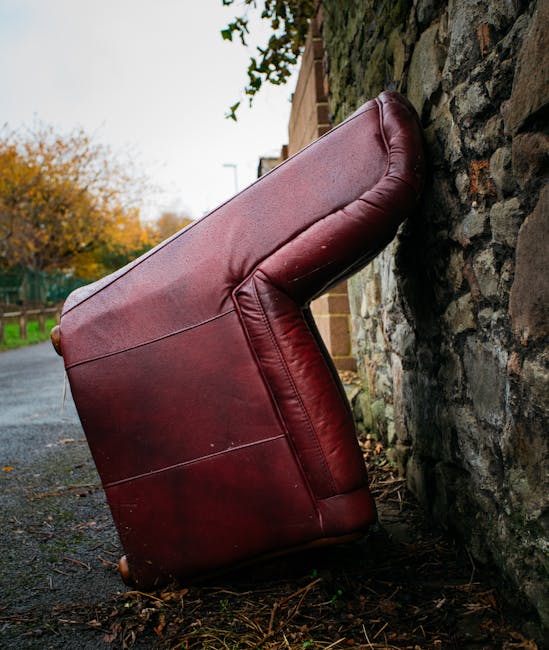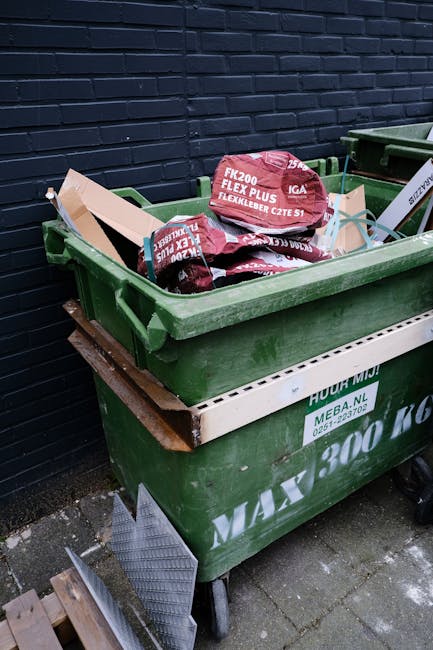
South Acton Churchfield Road Sofa Removal and Rubbish Clearance
If you are staring at an old sofa in a hallway, a broken armchair in the front room, or a growing pile of mixed rubbish that has just become one job too many, you are in the right place. South Acton Churchfield Road sofa removal and rubbish clearance is one of those tasks that looks simple from a distance, then quickly turns awkward once you actually start moving things around. Heavy furniture. Tight stairwells. No lift. A bit of dust. Maybe a sofa bed that weighs more than it should. Sound familiar?
This guide explains how sofa removal and rubbish clearance works in South Acton around Churchfield Road, what to expect, what to avoid, and how to choose the right clearance method for your home, tenancy, or business. You will also find practical tips, a comparison table, and a checklist so you can get the job done without the usual stress.
Why South Acton Churchfield Road sofa removal and rubbish clearance Matters
Let's face it: a sofa is never just a sofa when it has to leave a flat. In South Acton, especially around Churchfield Road where homes can involve narrow entrances, shared access, parking pressure, and the occasional awkward stair run, furniture removal becomes more than a lifting job. It becomes a logistics job.
That is why a proper clearance service matters. It reduces the chance of damage to walls, floors, and doorframes, and it helps prevent the classic "we'll sort it later" pile-up in the spare room, hallway, or communal area. Rubbish clearance matters for the same reason. Once waste starts spreading into multiple bags, boxes, and loose bits, the whole job takes longer and gets messier.
There is also the practical side. Sofas, mattresses, and mixed household waste need to be handled properly, with care over recycling and disposal routes. A good clearance approach keeps everything moving, keeps the property tidy, and helps you avoid half-finished jobs that hang around for weeks. Nobody wants that. Not really.
If your clearance is part of a bigger home tidy-up, you may also find related services useful, such as house clearance for larger removals or rubbish removal when you need a broader collection of mixed waste.
How South Acton Churchfield Road sofa removal and rubbish clearance Works
The process is usually straightforward, but the details matter. In practical terms, sofa removal and rubbish clearance begins with identifying what needs to go, how much there is, and whether there are any access issues. That is the bit people often underestimate. A small-looking job can be surprisingly fiddly if the sofa is bulky or the rubbish is mixed and scattered.
From there, the removal method is chosen. For some jobs, a manual collection is the most efficient option. For others, a larger load is better handled through skip hire or grab-style collection. If the clearance includes several bulky items, mixed waste, or a larger volume from a renovation or declutter, a broader solution may be more sensible than multiple trips.
In many cases, the main stages look like this:
- Assess what needs removing.
- Check access, parking, and loading points.
- Choose the right collection method.
- Separate reusable, recyclable, and general waste where possible.
- Remove the items safely and load them efficiently.
- Dispose of or recycle the waste through the appropriate route.
If you are unsure whether the waste is suitable for a mixed load, it helps to review guidance on what can go in a skip. That page is especially handy if your sofa removal is only one part of a bigger clear-out.
For some properties, a flexible service like wait and load skip hire works well because it keeps the skip off-site and avoids lingering obstruction. If access is extremely tight, that can be a real relief.
Key Benefits and Practical Advantages
The obvious benefit is convenience, but there is more to it than that. Proper furniture and rubbish clearance saves time, reduces physical strain, and gives you a cleaner, safer space to work or live in. If you have ever tried to drag a damp sofa through a narrow hallway on your own, you already know why this matters.
Here are the main advantages people usually notice first:
- Less disruption: the property is cleared quickly, which is especially useful in busy households or shared buildings.
- Safer moving: trained handling reduces the risk of knocks, scrapes, and back strain.
- Cleaner finish: waste can be removed in one go rather than left in stages around the home.
- Better recycling outcomes: items can be sorted more effectively when collected properly.
- More flexibility: a good provider can often adapt to awkward access or same-day pressure.
There is also a psychological benefit, if that is not too grand a way to put it. A room feels different once the old sofa has gone. Lighter, somehow. Less stuck. A bit like you can finally move on with the next job, whether that is decorating, renting out the flat, or simply reclaiming the space.
If the project is part of a larger tidy-up, a structured service such as domestic skip hire can be a useful fit for ongoing household waste, while man and van style collection can suit smaller loads that need hands-on removal.
Who This Is For and When It Makes Sense
This kind of service is not just for landlords or builders. In fact, it is often most useful for ordinary household situations where one bulky item or a small pile of rubbish has become awkward to manage. It makes sense if you are in a flat with limited storage, if you are downsizing, or if a replacement sofa is arriving and the old one needs to be out first.
Typical users include:
- Homeowners replacing worn-out furniture.
- Tenants moving out and needing a tidy final clearance.
- Landlords preparing a property between lets.
- Families clearing a spare room, loft, or front room.
- Small businesses clearing waiting areas or office furniture.
It also makes sense when the job is time-sensitive. Perhaps the new sofa is being delivered tomorrow, or perhaps the rubbish has already started to affect access. We have all seen that one room where items quietly multiply until the path through becomes a bit of a squeeze. Not ideal, especially in a stairwell on a rainy evening.
If your clearance overlaps with a larger property job, you may also want to explore garage and loft clearance or even house clearance depending on the scale of the job.
Step-by-Step Guidance
A little structure goes a long way here. If you want the process to feel manageable, break it down before you do anything else.
1. Identify exactly what is going
Make a simple list. Sofa, cushions, side table, broken chair, bags of mixed rubbish, packaging, old bedding, and anything else that has quietly joined the pile. Clear identification helps avoid surprise charges and keeps the collection efficient.
2. Check access properly
Look at the route from the room to the vehicle. Stairs? Tight corners? Shared hallway? Parking restrictions? A quick five-minute check now can save a lot of bother later. If access is awkward, say so early. That is not a problem; it is just useful information.
3. Separate items where sensible
Put recyclable materials apart from mixed waste where you can. Remove loose cushions, cushions covers, or detachable parts if that helps handling. If the sofa contains metal frames or mixed materials, handling can be easier once the bulky shape is broken down a little.
4. Choose the right method
For a single sofa plus a small amount of rubbish, a collection service may be the simplest choice. For ongoing tidying or a larger load, skip hire or same-day collection might be better. If waste needs to be removed but the site is too tight for a skip, same-day skip hire or a grab hire service may be worth considering.
5. Book with accurate details
Be honest about volume, access, and the kind of waste involved. A sofa and a few bin bags is one thing; a sofa, mattress, and half a shed's worth of clutter is another. Accuracy keeps the job smooth. Simple, really.
6. Make the item ready for removal
Move obstacles out of the way, protect floors if needed, and keep pets or children clear during the removal. If the sofa is awkwardly placed, allow a little breathing room around it before collection day.
7. Finish with a final sweep
Once the items are gone, do a quick check for fixings, loose screws, packaging, and dust. It is a small step, but it often makes the space feel properly finished.
Expert Tips for Better Results
In our experience, the smoothest clearance jobs are the ones where a few basic decisions are made early. The obvious ones, yes, but also the practical little things that make the day less chaotic.
- Measure the sofa before moving day. If it has to pass through a tight doorway, measure it properly rather than hoping for the best.
- Take photos of the load. This helps when explaining the job and avoids confusion.
- Plan for parking. Especially around busy residential streets, where finding a sensible stopping point can matter more than you think.
- Separate valuable or sentimental items first. Once the job starts, things can move quickly.
- Keep a small tool kit nearby. A screwdriver, gloves, tape, and a dust sheet can save time.
One tiny but useful tip: if your sofa has removable feet, take them off before collection. That little bit of height and shape reduction can make a surprisingly big difference. And yes, the same applies to flat-pack leftovers that somehow never got recycled in the first place.
If your rubbish load includes building leftovers or post-refurbishment mess, the guidance on builders waste removal and construction waste clearance may help you decide whether the waste is better handled as a general clearance or a more specific building job.
Common Mistakes to Avoid
Most clearance problems come from simple assumptions. The classic one is underestimating the size or weight of the sofa. Another is forgetting that rubbish is not always "just rubbish" if it includes items that need separate handling.
- Leaving access checks too late: this often causes delays on collection day.
- Mixing restricted items with general waste: some materials need separate treatment.
- Choosing the wrong method for the volume: a single-item job and a full-room clearance are not the same thing.
- Ignoring permit issues: if a skip would need to sit on the road, permits may be relevant.
- Not asking about recycling: a responsible clearance should consider reuse and recycling where practical.
Another common one? Waiting until the last minute. It happens. The new sofa is arriving at 8am, the old one is still in the lounge, and everyone suddenly becomes very motivated. A bit of planning usually avoids that scramble.
Tools, Resources and Recommendations
You do not need a shed full of equipment to manage sofa removal well, but a few practical tools help a lot. For smaller jobs, the basics are enough. For more involved clearances, a bit of preparation makes the difference between a tidy half-hour and a stressful morning.
- Work gloves: useful for grip and protection when handling rough edges or dust.
- Furniture sliders or lifting straps: helpful if the sofa needs to be moved through the property.
- Strong refuse sacks or boxes: good for small mixed rubbish and loose items.
- Dust sheets: handy if you want to protect flooring and corners.
- Measuring tape: simple, but worth its weight in gold when access is tight.
For service planning and budgeting, skip sizes and prices can help you compare load capacity with the amount of waste you actually have. If you want to understand how collections are handled with a tighter access pattern, wait and load skip hire is also worth a look.
For many households, a good starting point is simply to compare the load against the time you have available and the access you are working with. That, more than anything, tends to steer the right decision.
Law, Compliance, Standards, or Best Practice
In the UK, waste should be handled carefully and passed on through legitimate disposal routes. That is the broad principle, and it matters whether you are removing a sofa, a mix of household rubbish, or something more complex. If a service offers collection, it should still deal with the waste responsibly afterwards, not just make it disappear from sight.
There are also practical compliance considerations for residents and landlords. If waste is left on pavements, in shared access areas, or in a way that blocks neighbours, that can create avoidable issues. If a skip is needed on the public highway, permit requirements may apply, which is why skip hire permits and skip permits are worth checking before you book.
Best practice is straightforward:
- Use a reputable clearance provider.
- Keep waste separated where possible.
- Do not include restricted or hazardous items in general loads.
- Make access safe for anyone carrying the items out.
- Ask how recyclable material is handled.
If your clearance includes anything sharp, chemical, or potentially harmful, it should be treated differently. For that, hazardous waste disposal is the more appropriate route. And if you are clearing a fridge or other appliance along with the sofa, fridge and appliance removal is the safer reference point.
There is no drama in getting this right. In fact, the quiet, boring, responsible version is usually the best version.
Options, Methods, or Comparison Table
Different removal methods suit different situations. What works for a single sofa in a ground-floor flat may be completely wrong for a larger mixed clearance from an upstairs maisonette. Here is a simple comparison to make the choice easier.
| Method | Best for | Strengths | Things to watch |
|---|---|---|---|
| Rubbish removal | Small to medium mixed loads, quick clear-outs | Fast, convenient, hands-on collection | May not suit very large volumes |
| Man and van | Bulky items and a few bags of waste | Flexible, practical, good for access issues | Load size still matters |
| Skip hire | Ongoing clear-outs, bigger waste volumes | Good for staged loading, ideal for multi-day work | Needs space and sometimes permits |
| Wait and load | Short, fast collections with no room for a skip to stay | Avoids roadside obstruction, good for tight streets | Load must be ready quickly |
| Grab hire | Larger mixed waste or awkward access from outside | Efficient for bigger loads and heavy waste | Needs a suitable loading point |
For many South Acton properties, the decision comes down to access and volume. If the sofa is the main problem and the rest is modest, rubbish removal or man and van is often enough. If the clear-out has grown legs, so to speak, then skip hire becomes more attractive.
Case Study or Real-World Example
Here is a realistic example. A resident on Churchfield Road was replacing a large two-seater sofa after a long run of wear and tear. The sofa was in the front room, the hallway was narrow, and there were also a few black bags of old clothes, broken storage boxes, and packaging from recent purchases. Nothing unusual, just a bit more than a simple single-item lift.
The first issue was access. The sofa would not easily turn at the bottom of the stairs unless the route was cleared in advance. The second issue was time. The replacement sofa was due later that day, which meant the old one had to go early. The solution was to separate the soft items, clear a direct path, and arrange a collection that handled the bulky sofa and the mixed rubbish together.
The room looked completely different once the job was done. No dramatic before-and-after nonsense, just a practical, decent result: a clear floor, no lingering clutter, and space for the new furniture to arrive without awkward juggling. That is usually the real goal. Not perfection. Just a job well done, and a room that finally works again.
If your own job feels a bit like that, a broader service such as office clearance or site clearance may be relevant if you are dealing with a larger property or mixed-use space rather than a simple home move.
Practical Checklist
Use this before the collection day. It keeps things simple.
- Identify the sofa model and size.
- Count the rubbish bags, boxes, or loose items.
- Check stairways, doors, lifts, and hallway widths.
- Confirm whether parking or roadside access is available.
- Separate anything reusable or recyclable.
- Remove cushions, feet, or detachable parts if helpful.
- Keep hazardous or restricted items out of the load.
- Protect floors and corners if the route is tight.
- Make sure pets and children are out of the way.
- Do a final sweep once everything is removed.
Quick takeaway: the less guesswork involved, the smoother the job will be. Measure, separate, and plan the access. That alone solves most of the common headaches.
If you want a straightforward next step, review the service options, compare your load, and check the details before you book. A little clarity upfront saves a surprising amount of time later. For pricing and practical planning, take a look at pricing and quotes, and if you are ready to arrange the job, you can use book online.
Get a free quote today and see how much you can save.
Conclusion
South Acton Churchfield Road sofa removal and rubbish clearance is easiest when you treat it as a simple project with a few moving parts: access, volume, safe handling, and the right disposal route. Get those right and the whole thing becomes calm, almost boring in the best possible way.
The benefit is not just a tidier room. It is a cleaner start, less stress, and one less thing hanging over your head. Whether you need a one-off sofa collection, a mixed household clearance, or a larger waste solution, choosing the right method makes all the difference. And if you are still weighing up the options, that is normal. Better to think it through once than deal with a rushed fix later.
When the old sofa is finally out and the space feels open again, you will notice it straight away. A little more room. A little more order. Sometimes that is enough to make the next step feel easy.
Frequently Asked Questions
How do I arrange South Acton Churchfield Road sofa removal and rubbish clearance?
Start by listing what needs removing, checking access, and deciding whether it is a single bulky item, mixed rubbish, or a larger clear-out. Then choose a collection method that matches the load and the space you have available.
Can a sofa and household rubbish be removed together?
Usually yes, provided the waste is suitable for the same load. If the rubbish includes restricted items, it may need separate handling. It is always better to be clear about what is included before collection day.
What is the best option for a small flat on Churchfield Road?
For tight access, a flexible collection method such as man and van, rubbish removal, or wait and load can be a good fit. The right choice depends on how much waste you have and whether parking is straightforward.
Do I need a skip for sofa removal?
Not always. A skip makes sense for larger or ongoing clear-outs, but a single sofa and a few bags of rubbish may be better handled by direct collection. If you do need a skip, compare the load size first.
What should I do before the sofa is taken away?
Clear a path, remove loose items, separate cushions or detachable feet if useful, and make sure the collection route is safe. A bit of preparation makes the removal much faster and cleaner.
Can old sofas be recycled?
Parts of a sofa may be recyclable depending on the materials and condition. Metal, wood, and some fabrics can sometimes be separated, though this depends on the disposal route used. A responsible service should consider recycling where practical.
What if my sofa is too big for the doorway?
Check whether feet, arms, or other parts can be removed first. If not, you may need a different route or a more specialised removal approach. This is one of those moments where measuring properly pays off.
Are there any items I should not mix with general rubbish?
Yes. Hazardous or restricted items should not go into a general mixed load. If you are dealing with anything potentially risky, separate handling is the safer choice and may be required.
How quickly can a rubbish clearance be done?
That depends on the load, access, and timing. Smaller jobs can often be completed quickly, while larger or more awkward clear-outs need a bit more planning. If time is tight, same-day options may be worth considering.
Do I need permission for a roadside skip in South Acton?
If the skip has to sit on the public highway, permit requirements may apply. It is sensible to check before booking so you are not caught out later. For many readers, that is the detail that makes or breaks the decision.
Is wait and load a good choice for Churchfield Road?
It can be. If there is limited space for a skip to remain in place, wait and load is often a neat solution because the waste is loaded and taken away promptly. It suits properties where access is possible but storage space is not.
What should I compare before choosing a service?
Look at the amount of waste, the size of the sofa, access, timing, and whether anything needs special handling. Once those are clear, the best method usually becomes obvious enough. Not always, but usually.